Japan

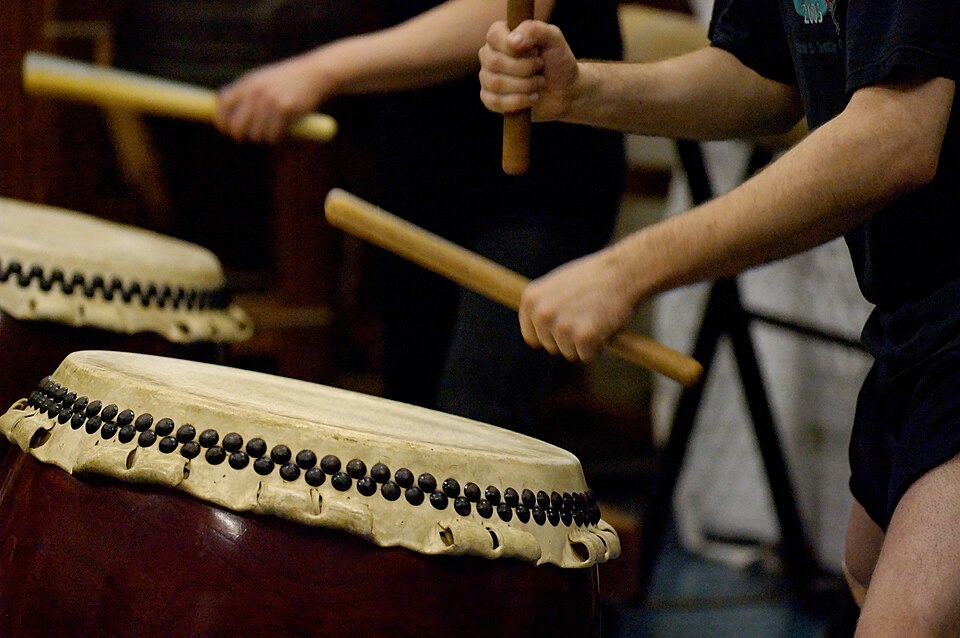
Two people engaged in Taiko Drumming are playing large traditional drums with wooden sticks, focusing on their arms and the drum surfaces during a powerful performance or practice reminiscent of cultural traditions from Japan.

Planet Earth: Japan | The Ancient Art of Taiko Drumming | Java Discover

A short documentary that can be screened on youtube for free that follows a young Ondekoza percussionist. It discusses the Soga Kuron, a philosophy that combines music and running, and how taiko drumming went from being performed as a part of a festival to staged performance art. 

Student Resource Teacher Resource
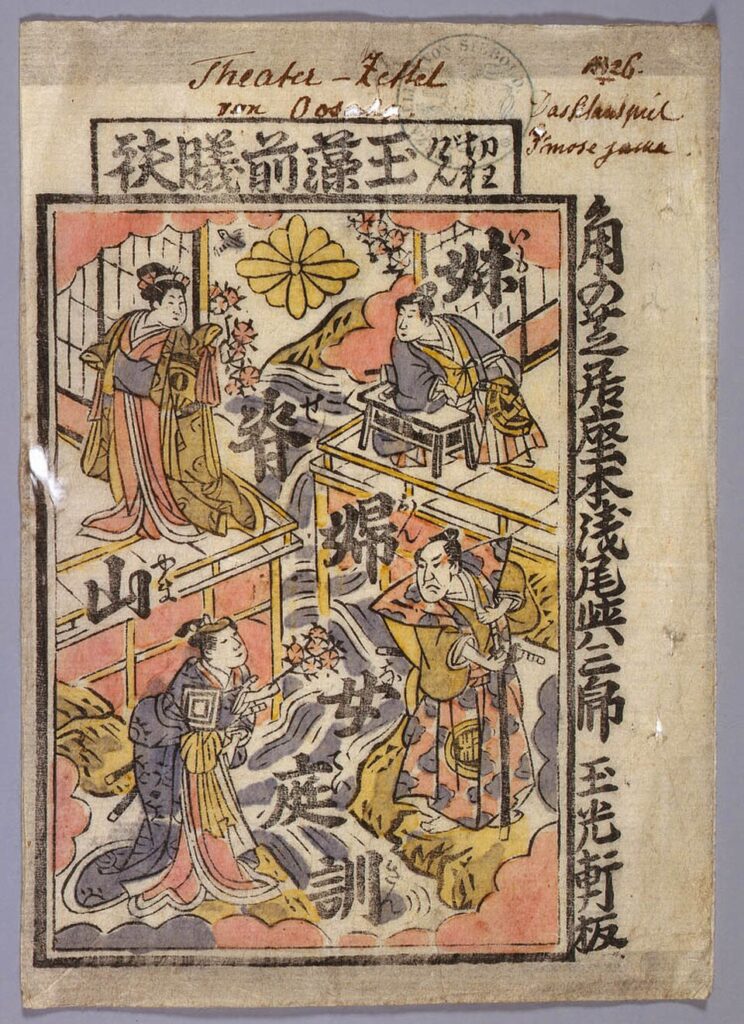
Colorful Japanese woodblock print shows four figures in traditional dress near a river, with stylized trees, rocks, and Japanese text framing the image and filling the background, evoking scenes reminiscent of classical forms of Japanese drama.

The Forms of Japanese Drama | Asia for Educators

A brief article outlining the different forms of Japanese dramas and what makes them distinct, along with their origins. The website also provides ideas for a student exercise that include performing a drama, and how to do it with a larger or smaller group.

Teacher Resource
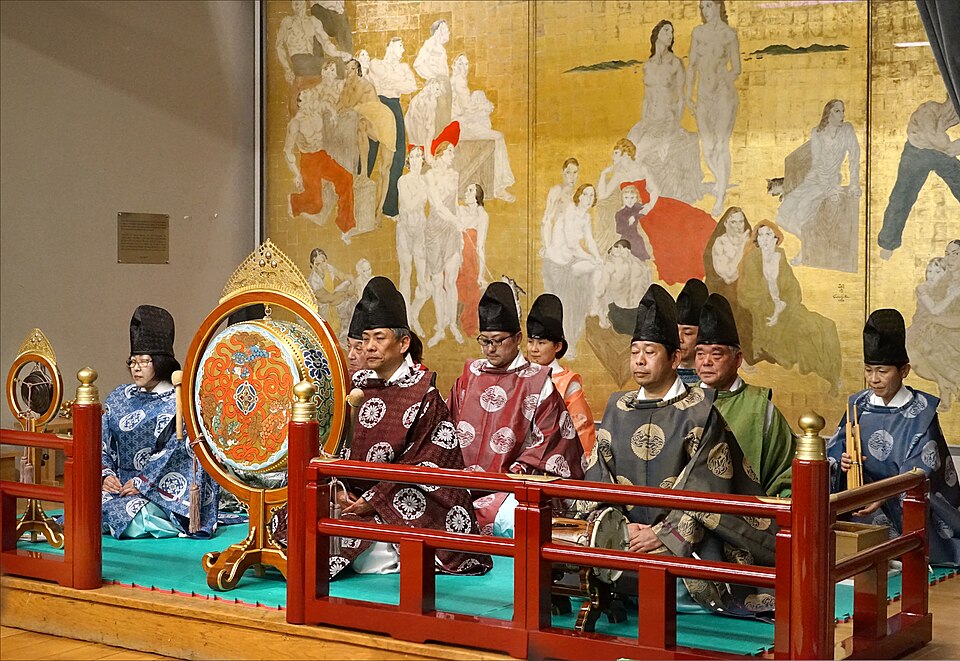
A group of people in traditional Japanese attire, part of a Gagaku Ensemble, sit behind drums and a red railing, with a gold mural depicting figures in the background.

Etenraku | Reigakusha Gagaku Ensemble

A video of Etenraku, a style of Gagaku, the melody originally used with love poems, then later would accompany weddings. The video shows the full performance of the piece and highlights each of the instruments played. It can be screened in class and combined with the Gagaku article to create a class lesson and discussion.

Primary Source
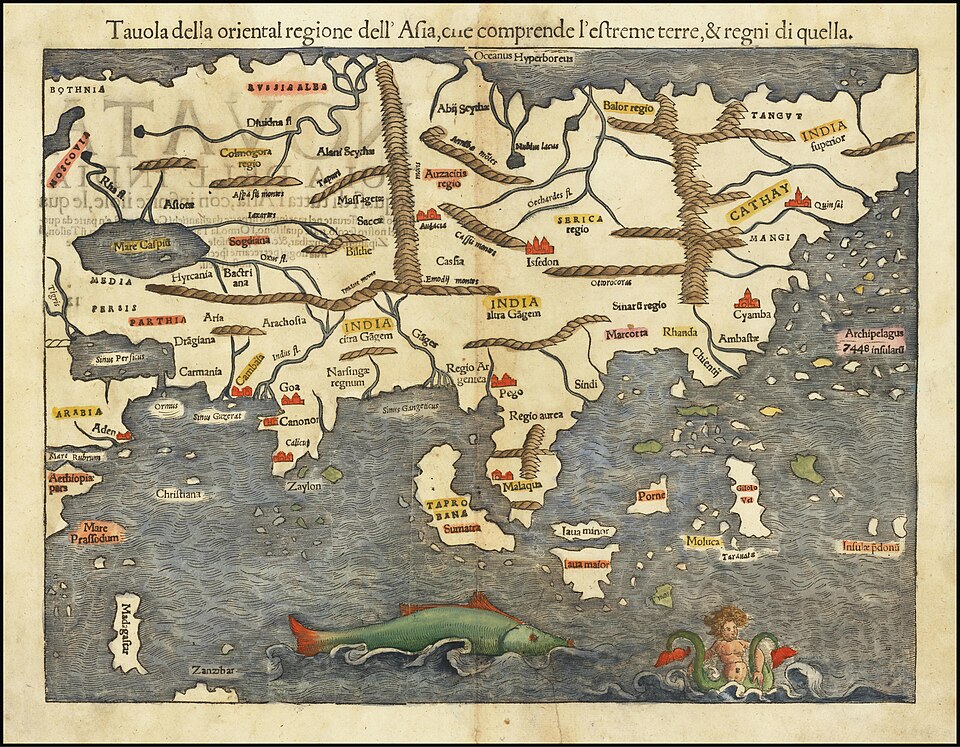
Antique map of Asia printed in Italian, showing regions, rivers, and islands with illustrations of sea creatures in the ocean

Asia by Era | Asia for Educators

An online resource that highlights art and events in different eras in Japan, China, Korea, Vietnam, SE Asia, and South Asia, with a timeline that links to different resources that cover historical events and museum collections that provide information about pieces from different eras. It can be used as a basic timeline to begin research into periods of history, used to provide background information for historical periods, such as the Kofun period in Japan, or to find artifacts that can be used in class discussions.

Student Resource Teacher Resource
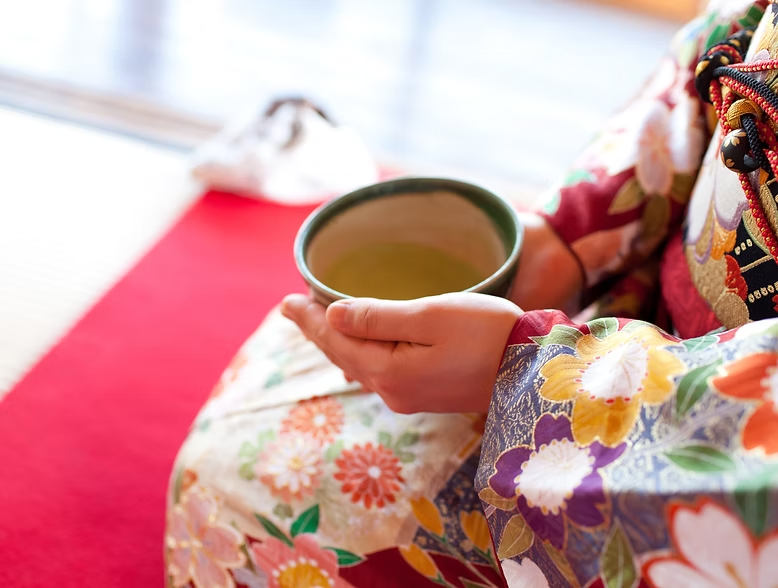
The Tea Horse Kōryū Foundation | The Tea Horse Hot Springs

The Tea Horse Kōryū Foundation is a non-profit educational branch for the Tea Horse, specializing in accessible and grounded Japanese tea education. They offer educational tea workshops, demonstrations, student-training, and community gatherings based on cultural exchange and respect.

Teacher Resource
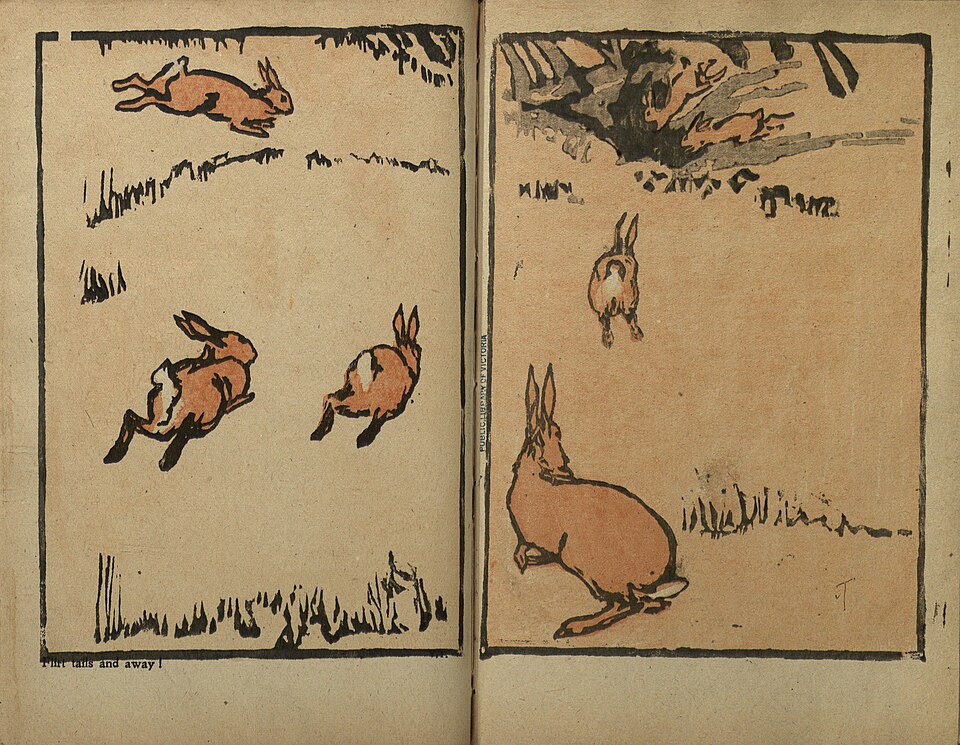
Four rabbits run and leap across a grassy area, illustrated in a simple, sketch-like style on two pages of an open book—perfect inspiration for a Styrofoam block printing lesson plan or as part of an imaginative display at the McNay Art Museum.

Styrofoam Block Printing Lesson Plan | McNay Art Museum San Antonio 

A guided lesson plan for styrofoam block printing with tips that can be used with the previous resources (The Tokaido, Japanese Fine Prints) to provide both the history of woodblock printing and a hands-on experience where students can create their own prints to take home. 

Lesson Plan
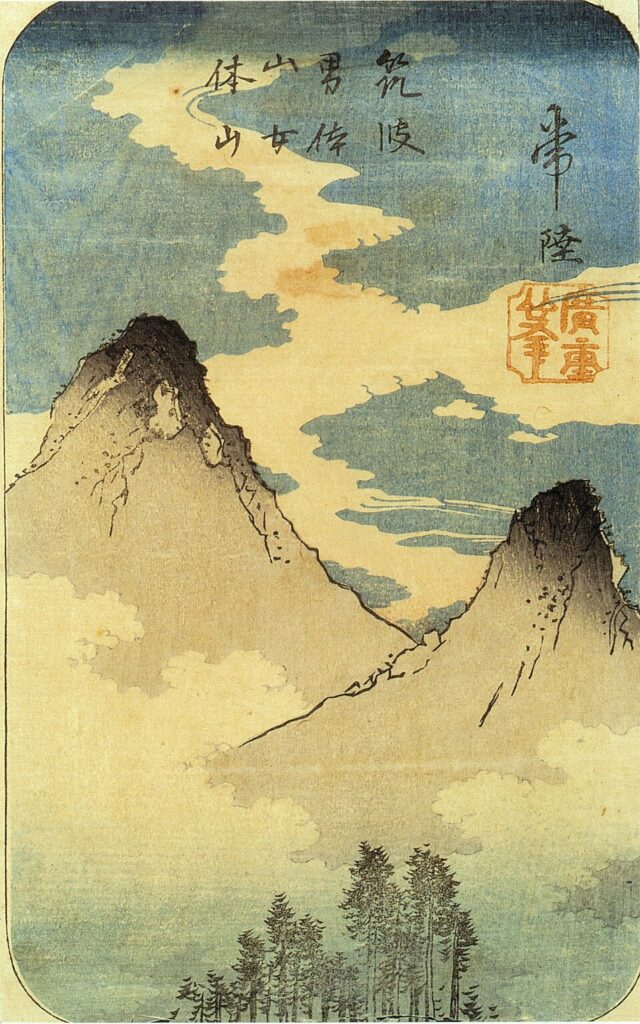
A traditional Japanese woodblock print from the Pre-1915 era, part of the Japanese Fine Prints collection at the Library of Congress, depicts two tall, rocky mountains with clouds and mist, flanked by trees at the bottom. Japanese calligraphy is visible in the sky area.

Japanese Fine Prints Pre-1915 | Library of Congress 

An online library containing over 2,500 woodblock prints, including featured artists such as Hiroshige, Kuniyoshi, Sadahide, and Yoshiiku. The prints featured range from the 17th century to the 20th century and include depictions of daily life, landscapes, actors, women, scenes from Japanese literature, and foreigners. The large variety of prints available in the library provides an opportunity for students to explore and analyze different woodblock prints and their contents.

Primary Source
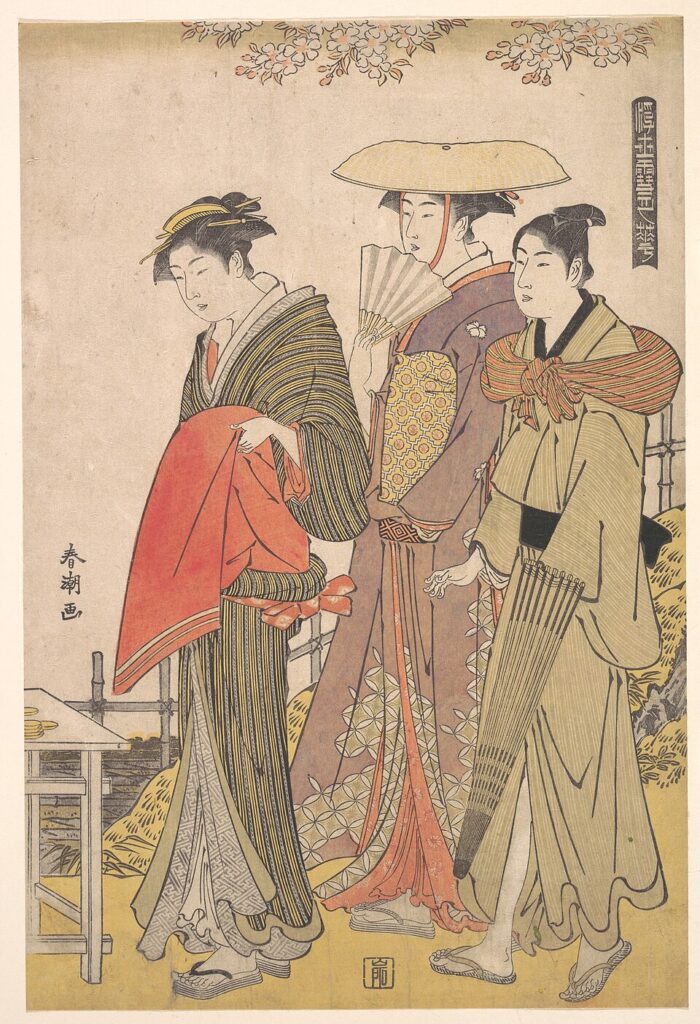
Three women in traditional Japanese kimonos stand outdoors under blooming branches, with one holding a fan and another holding a cloth. Evoking the classic ukiyo-e art style.

Journey Along Japan’s National Road, THE TOKAIDO | Ohio State University | East Asian Studies Center 

This fantastic collection of lesson plans from the East Asian Studies Center at The Ohio State University uses ukiyo-e (“Pictures of the Floating World,” or Japanese Woodblock Prints) to explore culture and travel along feudal Japan’s famous Tokaido Road connecting the imperial capital of Kyoto and the Shogun’s administrative capital of Edo (present-day Tokyo).  Students use the classic collection “The Fifty Three Stations of the Tokaido” to learn historical skills, explore the relationship between culture and environment, and explore change over time. The included link features a wide-range of lesson plans, from Elementary Grades 1 – 3 all the way to high school.

Lesson Plan
A large cloud of smoke and debris rises over a harbor in East Asia as a ship is seen nearby, following a massive explosion that would later be analyzed in school textbooks about history wars.

School Textbooks and East Asia’s History Wars” | Education About Asia

This resource features excerpts from textbooks produced in Japan, China, South Korea, and the United States to highlight differing coverage of sensitive issues such as the Nanjing Massacre and the Atomic Bombings of Japan. Not only is this a useful tool for better understanding the violence of the Japanese occupation of Nanjing, but also illustrates collective memory in action. It provides examples from textbooks as well as pictures that can be used in class discussions regarding historical events and how different perspectives change the way they are recounted.

Teacher Resource
Scroll to Top