
All materials included in our workshop, Art, Tea, Music, and More, will be linked below
Presentations
Spirit in the Strokes: An Introduction to Chinese Calligraphy
Introduction to Japanese Music & Taiko Drumming
The Floating World: Japanese Woodblock Printing
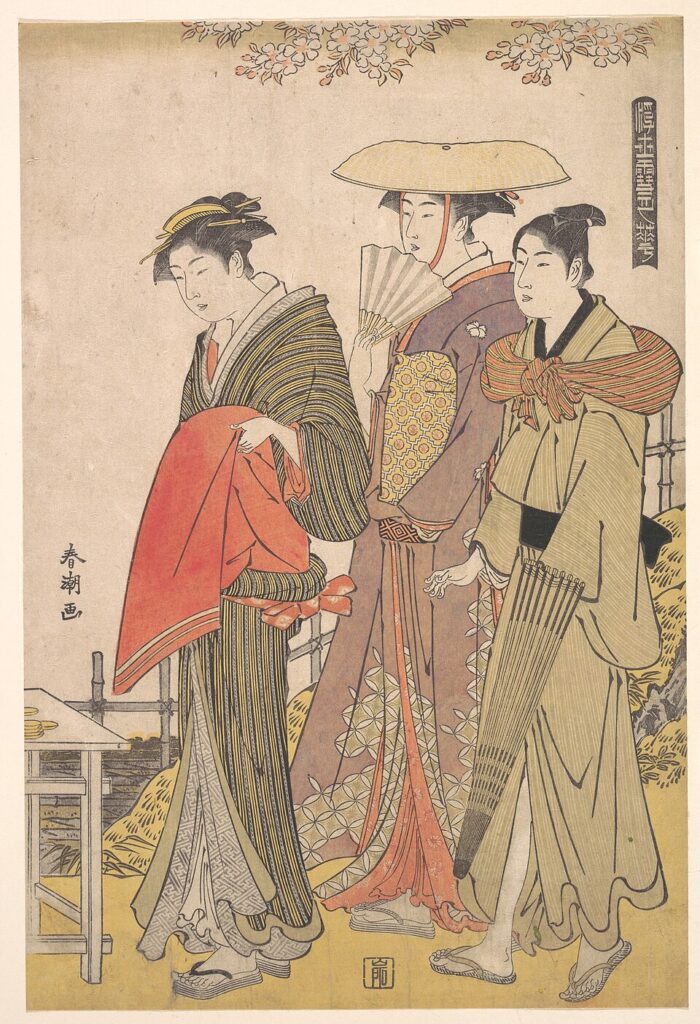
Journey Along Japan’s National Road, THE TOKAIDO | Ohio State University | East Asian Studies Center
This fantastic collection of lesson plans from the East Asian Studies Center at The Ohio State University uses ukiyo-e (“Pictures of the Floating World,” or Japanese Woodblock Prints) to explore culture and travel along feudal Japan’s famous Tokaido Road connecting the imperial capital of Kyoto and the Shogun’s administrative capital of Edo (present-day Tokyo). Students use the classic collection “The Fifty Three Stations of the Tokaido” to learn historical skills, explore the relationship between culture and environment, and explore change over time. The included link features a wide-range of lesson plans, from Elementary Grades 1 – 3 all the way to high school.
- G.4.5.1 Examine ways people and cultures depend on, adapt to, and interact with the physical environment over time (e.g., technology, habitation, transportation, agriculture, communication).
- H.2.6.16 Analyze effects of cultural interactions and connections on civilizations over time.
- HS.4.G.4 Analyze the impact of effects of migration on society (e.g., social, economic, political, cultural)
Japanese Fine Prints Pre-1915 | Library of Congress
An online library containing over 2,500 woodblock prints, including featured artists such as Hiroshige, Kuniyoshi, Sadahide, and Yoshiiku. The prints featured range from the 17th century to the 20th century and include depictions of daily life, landscapes, actors, women, scenes from Japanese literature, and foreigners. The large variety of prints available in the library provides an opportunity for students to explore and analyze different woodblock prints and their contents.
- ES.7.G.1 Analyze effects of changes made by humans on the physical environment (e.g., industrialization, agricultural, rural land use, urban land use, mining, forestry)
- H.6.WH.10 Evaluate the development, expansion, and effects of industrialization in Europe, Asia, Africa, and the Americas.
- HS.6.G.1 Analyze changes in the environment and cultural characteristics of a place or region that influence spatial patterns of trade and land use over time
Styrofoam Block Printing Lesson Plan | McNay Art Museum San Antonio
A guided lesson plan for styrofoam block printing with tips that can be used with the previous resources (The Tokaido, Japanese Fine Prints) to provide both the history of woodblock printing and a hands-on experience where students can create their own prints to take home.
Japanese Tea Experience
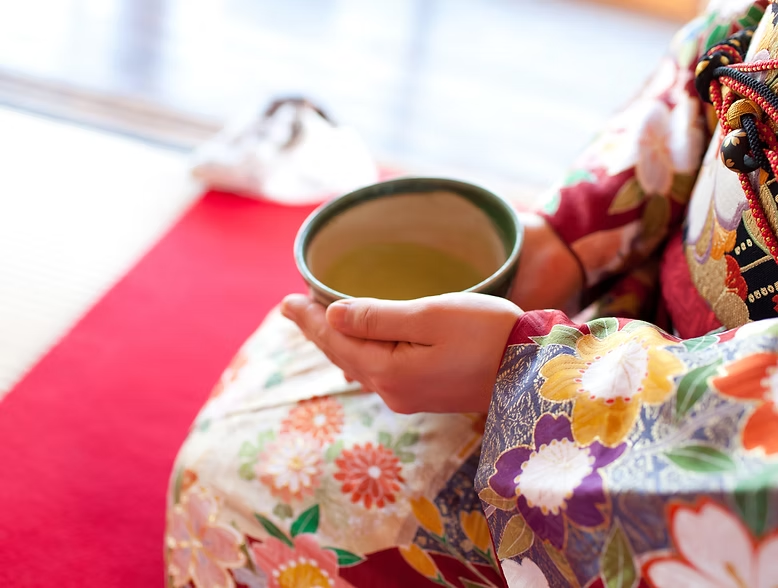
The Tea Horse Kōryū Foundation | The Tea Horse Hot Springs
The Tea Horse Kōryū Foundation is a non-profit educational branch for the Tea Horse, specializing in accessible and grounded Japanese tea education. They offer educational tea workshops, demonstrations, student-training, and community gatherings based on cultural exchange and respect.
Introduction to Japanese Music & Taiko Drumming
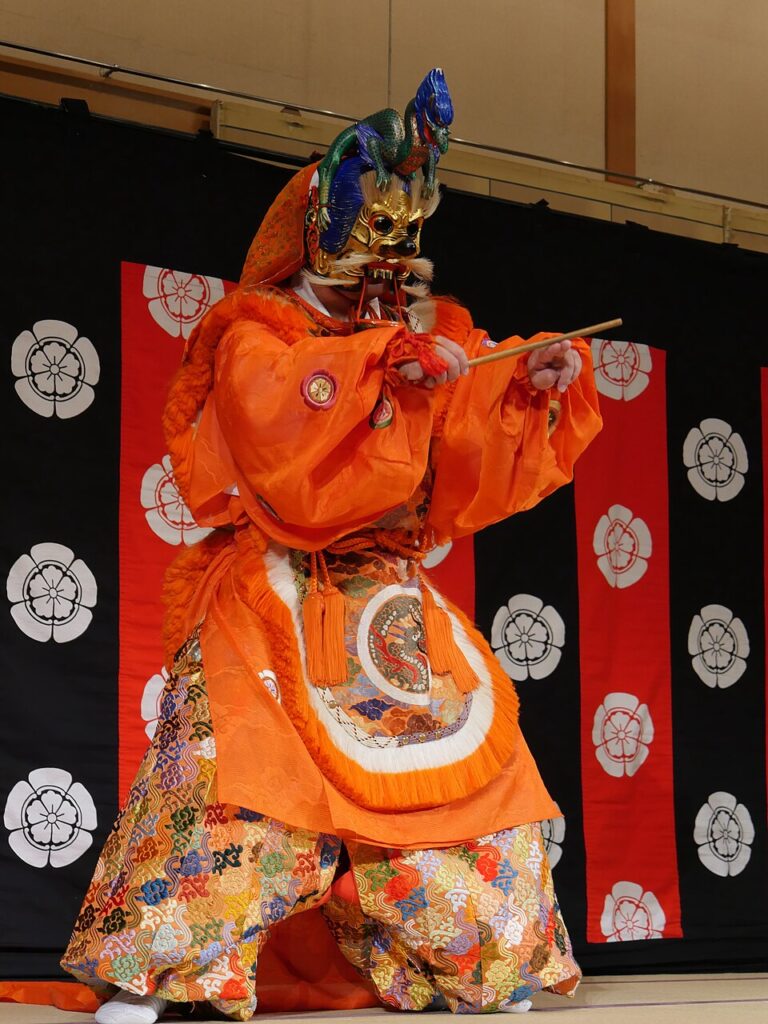
Asia by Era | Asia for Educators
An online resource that highlights art and events in different eras in Japan, China, Korea, Vietnam, SE Asia, and South Asia, with a timeline that links to different resources that cover historical events and museum collections that provide information about pieces from different eras. It can be used as a basic timeline to begin research into periods of history, used to provide background information for historical periods, such as the Kofun period in Japan, or to find artifacts that can be used in class discussions.
- G.3.5.4 Research the characteristics of various world regions and cultures: cultural characteristics (e.g., religious beliefs, celebrations, traditions, language, child-rearing, clothing, food, beliefs, behaviors); physical characteristics (e.g., mountains, rivers, deserts, plains, bodies of water)
- H.2.6.16 Analyze effects of cultural interactions and connections on civilizations over time.
- H.6.WH.3 Analyze the development of social, economic, political, and geographic transformations of regional connections into global trade networks.
Gagaku (Japanese Imperial Court Music and Dance) | The Imperial Household Agency
A brief, youth-friendly article that covers the history of Gagaku, different styles of Gagaku, and the instruments that accompany Gagaku. This can be used as a beginning reference for further research or assigned as a reading to Elementary grade levels 1-5.
- G.3.5.4 Research the characteristics of various world regions and cultures: cultural characteristics (e.g., religious beliefs, celebrations, traditions, language, child-rearing, clothing, food, beliefs, behaviors); physical characteristics (e.g., mountains, rivers, deserts, plains, bodies of water)
- H.2.6.16 Analyze effects of cultural interactions and connections on civilizations over time.
Etenraku | Reigakusha Gagaku Ensemble
A video of Etenraku, a style of Gagaku, the melody originally used with love poems, then later would accompany weddings. The video shows the full performance of the piece and highlights each of the instruments played. It can be screened in class and combined with the Gagaku article to create a class lesson and discussion.
- G.3.5.4 Research the characteristics of various world regions and cultures: cultural characteristics (e.g., religious beliefs, celebrations, traditions, language, child-rearing, clothing, food, beliefs, behaviors); physical characteristics (e.g., mountains, rivers, deserts, plains, bodies of water)
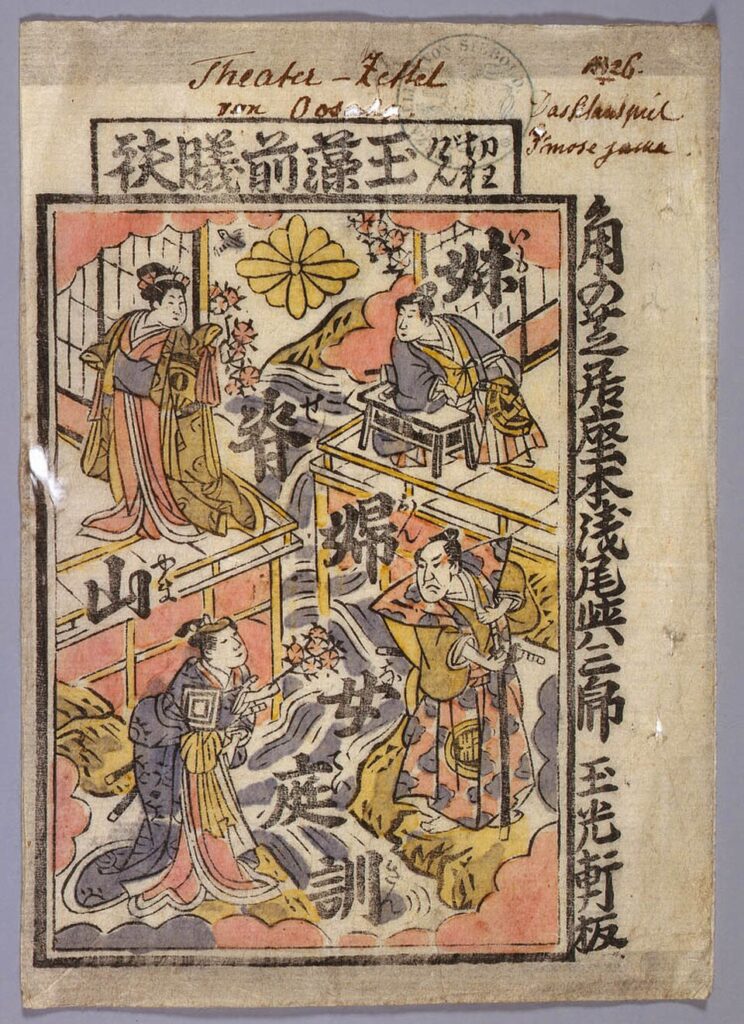
The Forms of Japanese Drama | Asia for Educators
A brief article outlining the different forms of Japanese dramas and what makes them distinct, along with their origins. The website also provides ideas for a student exercise that include performing a drama, and how to do it with a larger or smaller group.
- G.3.5.4 Research the characteristics of various world regions and cultures: cultural characteristics (e.g., religious beliefs, celebrations, traditions, language, child-rearing, clothing, food, beliefs, behaviors); physical characteristics (e.g., mountains, rivers, deserts, plains, bodies of water)
- H.2.6.9 Examine key concepts and influences of major belief systems on societies: Buddhism, Christianity, Confucianism, Hinduism, Judaism.
Chu no mai (Noh music example) | Sonica Instruments
A video of Noh music that can be screened in class as an example of Japanese drama music. It can be used with the Forms of Japanese Drama article to help create a class discussion.
- G.3.5.4 Research the characteristics of various world regions and cultures: cultural characteristics (e.g., religious beliefs, celebrations, traditions, language, child-rearing, clothing, food, beliefs, behaviors); physical characteristics (e.g., mountains, rivers, deserts, plains, bodies of water)
Planet Earth: Japan | The Ancient Art of Taiko Drumming | Java Discover
A short documentary that can be screened on youtube for free that follows a young Ondekoza percussionist. It discusses the Soga Kuron, a philosophy that combines music and running, and how taiko drumming went from being performed as a part of a festival to staged performance art.
- G.3.5.4 Research the characteristics of various world regions and cultures: cultural characteristics (e.g., religious beliefs, celebrations, traditions, language, child-rearing, clothing, food, beliefs, behaviors); physical characteristics (e.g., mountains, rivers, deserts, plains, bodies of water)