
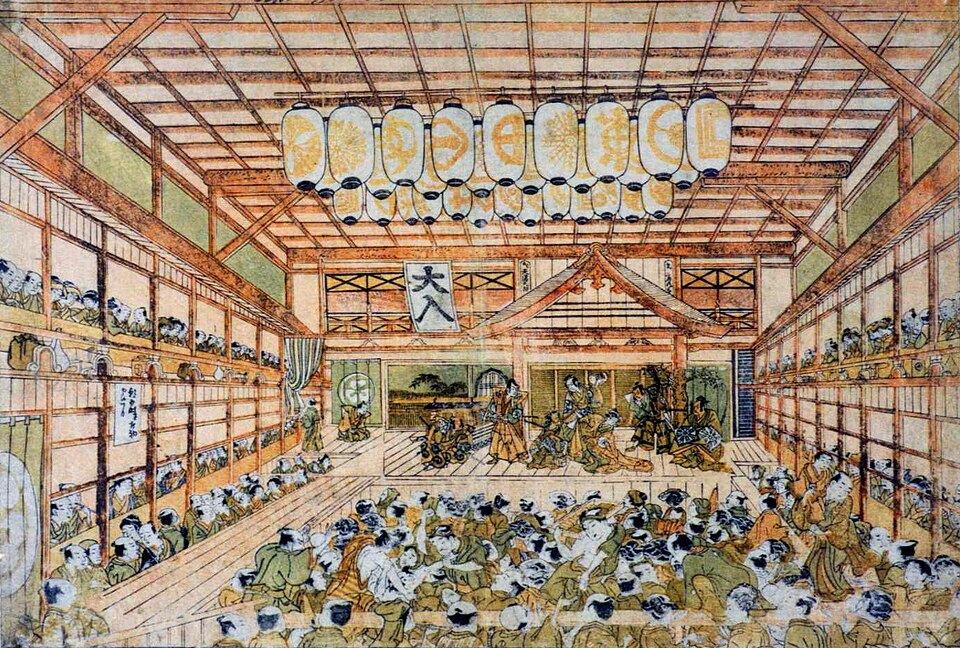
Chu no mai (Noh music example) | Sonica Instruments
A video of Noh music that can be screened in class as an example of Japanese drama music. It can be used with the Forms of Japanese Drama article to help create a class discussion.
Primary Source
A video of Noh music that can be screened in class as an example of Japanese drama music. It can be used with the Forms of Japanese Drama article to help create a class discussion.
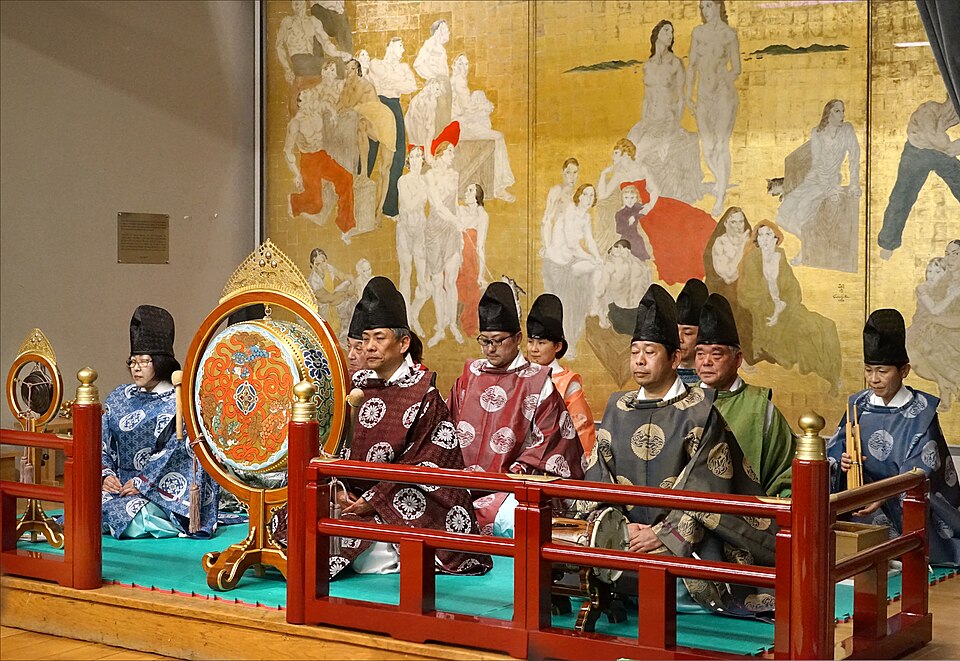
A video of Etenraku, a style of Gagaku, the melody originally used with love poems, then later would accompany weddings. The video shows the full performance of the piece and highlights each of the instruments played. It can be screened in class and combined with the Gagaku article to create a class lesson and discussion.
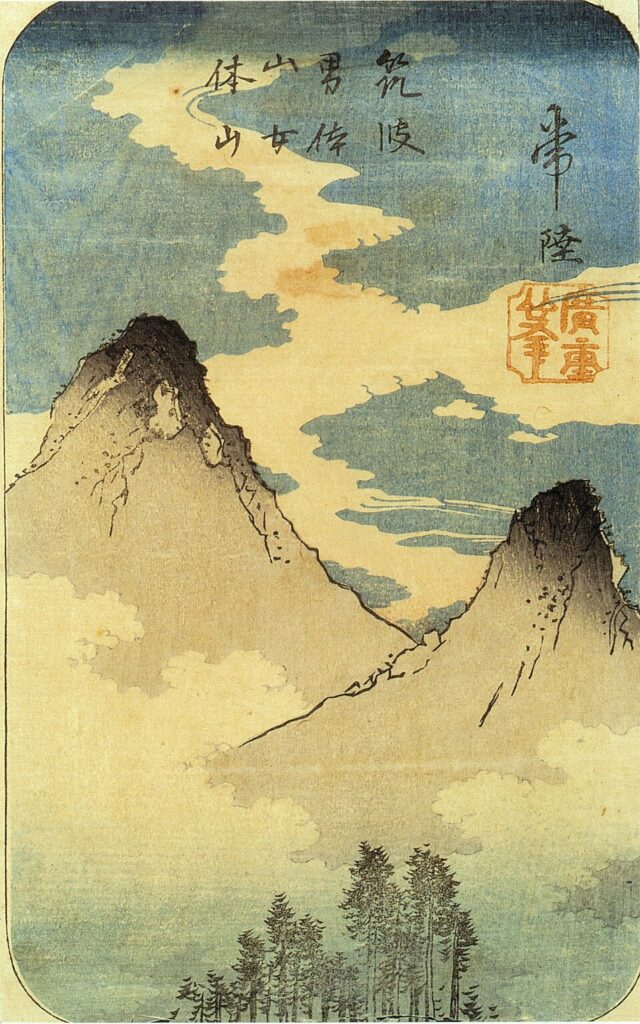
An online library containing over 2,500 woodblock prints, including featured artists such as Hiroshige, Kuniyoshi, Sadahide, and Yoshiiku. The prints featured range from the 17th century to the 20th century and include depictions of daily life, landscapes, actors, women, scenes from Japanese literature, and foreigners. The large variety of prints available in the library provides an opportunity for students to explore and analyze different woodblock prints and their contents.

A written account from the perspective of Kim Tŏkchin, a former comfort woman. She recounts how she was deceived, believing she would be working in a factory, then how she was assaulted by soldiers.

This document includes “The Ballad of Mulan” written in Chinese characters, pinyin (romanized Chinese), and the English translation, providing a great opportunity to introduce to your classroom, not only the legend, but also the Chinese language.

This primary source document with DBQs introduces the poem of Mulan, which was composed in the fifth or sixth century CE. Consider the question: What is the proper role of women as indicated in this poem?

This collection contains a wide variety of materials published and produced in Southeast Asia. There are many interviews, videos, posters, photographs, periodicals, maps, manuscripts, and other archival materials.

This page connects to DocsTeach, providing primary resources on Japanese internment during World War II. It includes documents that explore the impact of the order and its historical context, such as President Roosevelt’s Executive Order 9066–the order that led to the internment of Japanese Americans in relocation centers, postings of Exclusion Orders, and pictures of Japanese American families.

This resource is an evolving digital archive showcasing over 7,000 authentic Chinese propaganda posters, prints, and other images. The site provides historical context and artist information, enhancing understanding of modern Chinese history through visual propaganda.

Lu Xun presents a diary-style short story where the protagonist imagines being surrounded by cannibals. Through the protagonist’s delusions, Lu Xun delivers a potent critique of conventional Chinese society, specifically targeting the oppressive and dehumanizing aspects of traditionalist and Confucian values.

This resource examines the New Culture Movement in China, featuring primary sources from Chen Duxiu, Chiang Kai-shek, and Mao Zedong, which highlight the intellectual debates and ideological shifts that shaped China’s modern transformation from 1916 to the 1940s.

This excerpt introduces students to Legalist political thought through “The Five Vermin,” a chapter from the Han Feizi, a foundational Legalist text attributed to Han Fei (d. 233 BCE). A former student of the Confucian philosopher Xunzi, Han Fei rejected Confucian ideals in favor of a more pragmatic, authoritarian approach to governance. His writings reflect a systematic synthesis of Legalist and Daoist ideas, emphasizing strict laws and centralized power. This chapter criticizes social groups seen as harmful to the state, offering valuable insight into Legalist critiques of Confucianism and the ideological tensions of early Chinese political philosophy.