National History Day (NHD) is a non-profit foundation meant to create opportunities for teachers and students to conduct historical research. The mission of the NHD is to improve the teaching and learning of history in middle and high school. Each year, the NHD uses a theme to allow students to research and examine history through a lens, where they can investigate historical context, significance, and the topic’s relationship to the theme.
For your consideration, we have gathered a selection of topics with primary sources to use as a foundation for research into innovation in Asian History.
Policy Innovation
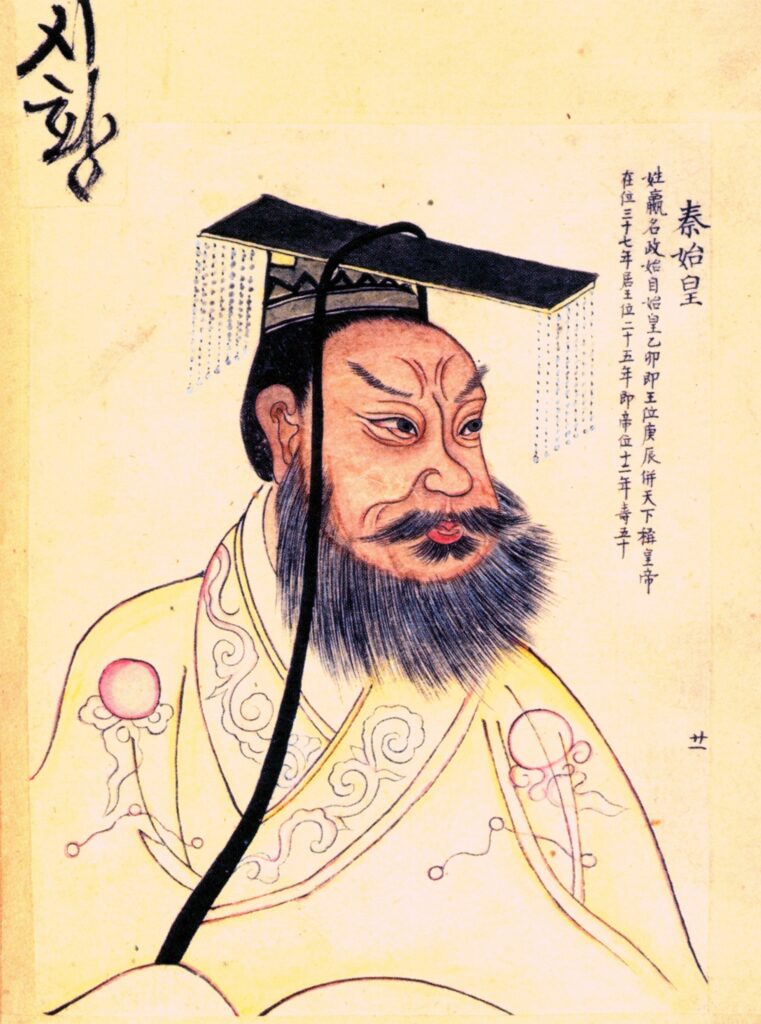
Qin Shi Huangdi (First Emperor of Qin) and LEGALISM
Context: Introduction the Legalism
Primary source: Selections from the Han Feizi
Primary source: Selections from Li Si
Impact: Enables Qin Empire
Influence: Han and Tang Dynasties
Change: Leads to downfall of the Qin but also standardization of Chinese script, weights, measures, etc.
Sankin Kotai – Alternate Attendance and the Tokaido Road
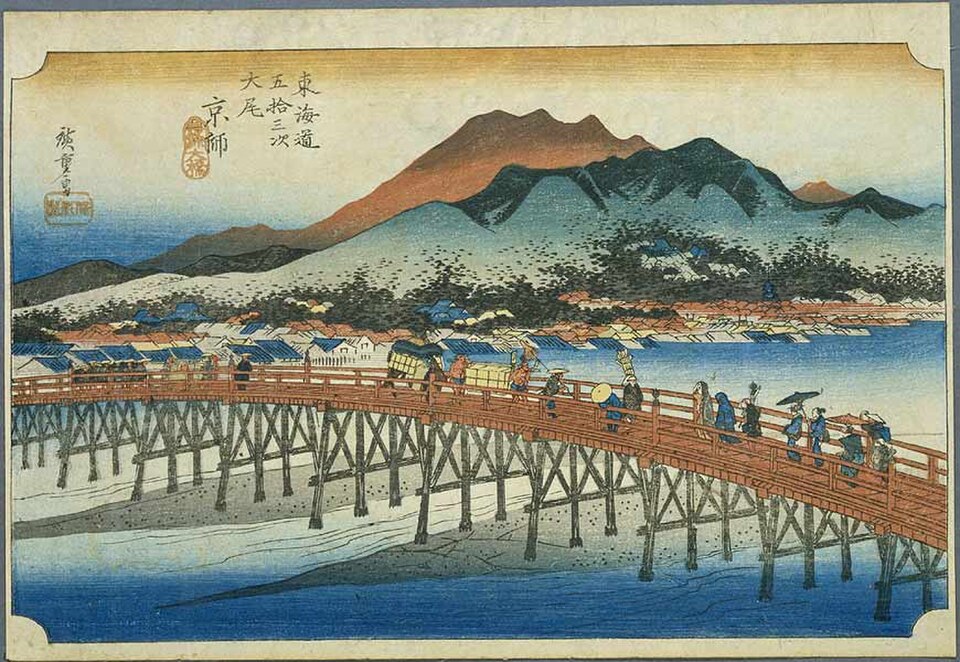
Context: More to a Closed Door than Meets the Eye
Primary source: Teaching the Tōkaidō Road
Primary source: Journey Along the Tōkaidō
Impact: Allows the shogun to control distant daimyo
Influence: Creates conditions for expanded travel and development of the Tokaido
Change: Leads to development of shared Japanese national identity and cultural exchange of woodblock prints, etc.
Additional Resource: What is Kabuki Theater?
Cultural Innovation
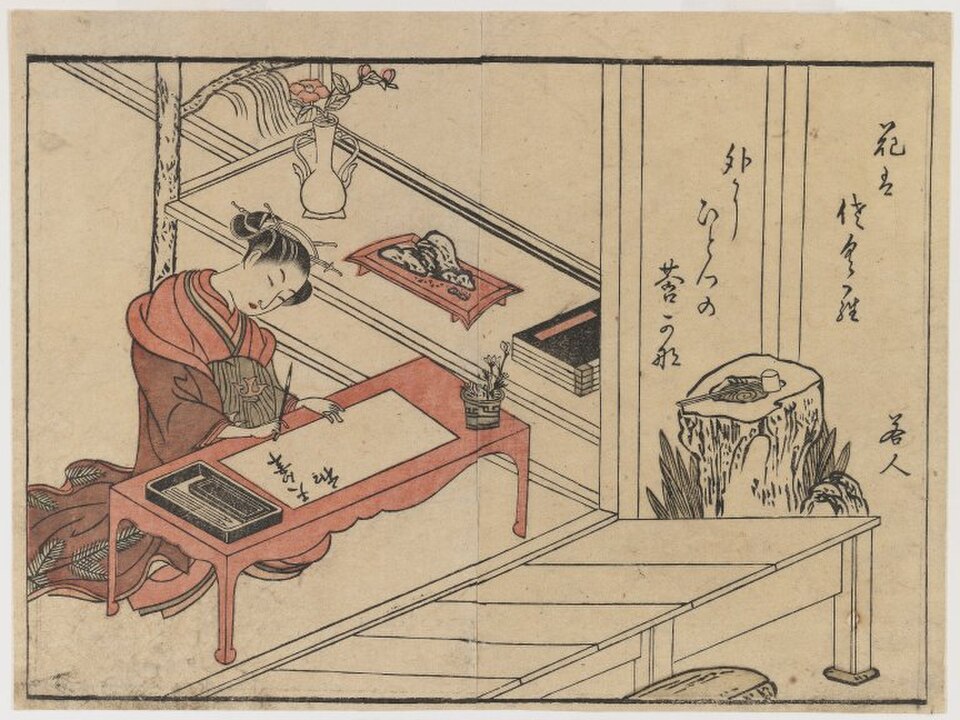
The Development of Kana and Japanese Hei-an Era Women Authors
Primary source: Women’s Diaries from Japan’s Heian Period
Primary source: The Pillow Book
Impact: Invention of kana allows Japanese women writers to find their voice outside of Chinese characters reserved for men
Influence: Heian kana informs the development of later kana scripts
Change: Murasaki Shikibu write some of the earliest novels EVER in kana script (eg. Tale of Genji)
Additional Resource: Classical Japan: The Tale of Genji
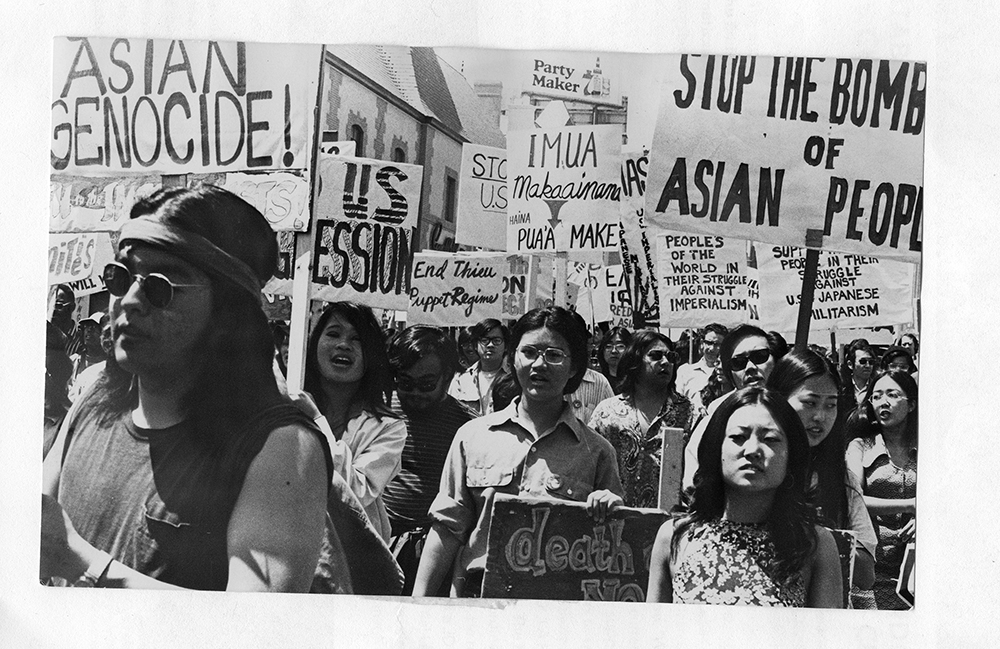
Asian American Activism
Mountain Movers
UCLA’s Asian Studies program created an archive recounting the creation of the program in the 1960s during the Civil Rights Movement, it contains oral histories of student activists and a media library.